Hero Section Background Grid Image

Latest blogs

SEPT. 17, 2026
Why client SDK generation belongs in the open

Google has partnered with Speakeasy to open-source their OpenAPI code generation suite under the AGPLv3 license, a strategic move prompted by the sudden shutdown of Google's previous proprietary SDK provider. The newly open-sourced suite equips developers with deterministic, multi-language SDK generators that natively support strict typing and SSE streaming, alongside tools for compiling agent-native CLIs and documentation MCP servers. Engineering teams can now safely integrate this robust tooling directly into their CI pipelines to automatically generate reliable client libraries for their own APIs, all while retaining complete licensing control over the output code.

SEPT. 16, 2026
Agent Anomaly Detection, now in Private Preview on the Gemini Enterprise Agent Platform

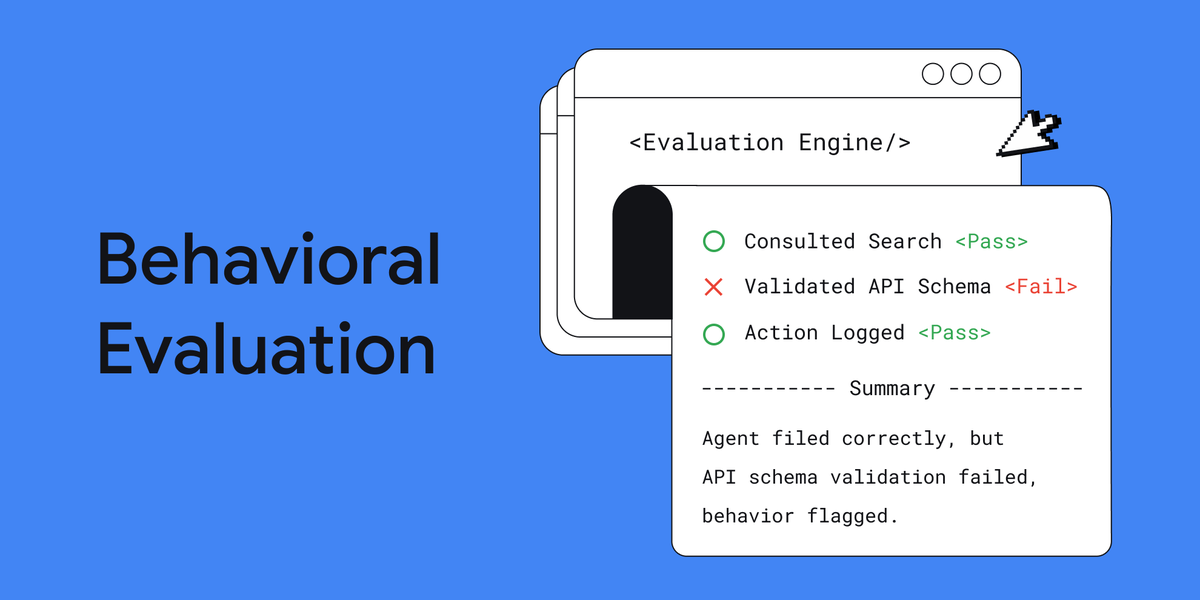
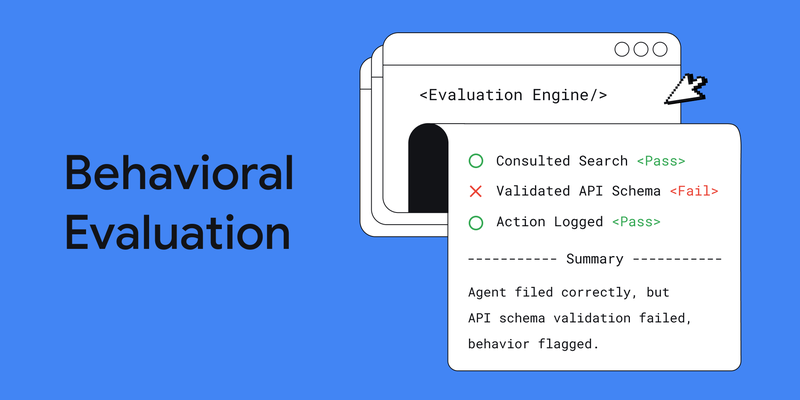
Agent Anomaly Detection is a new, out-of-band oversight layer for the Gemini Enterprise Agent Platform that analyzes OpenTelemetry traces and tool calls to catch behavioral risks without adding runtime latency to live requests. It utilizes a multi-tiered detection pipeline—combining lightweight statistical scanning with deep LLM-based reasoning—to identify logical anomalies and policy violations grounded in the OWASP Agentic Top 10. Developers can triage these automated findings within Security Command Center or leverage the exposed API to programmatically block subsequent tool calls when an agent breaches defined risk thresholds.

SEPT. 15, 2026
Build zero-trust AI agents that judge intent, not just syntax

This blog post explores how to transition AI agents from static, build-time security controls to dynamic runtime governance using the Gemini Enterprise Agent Platform. It highlights three primary managed defenses: Model Armor for screening edge prompts, Semantic Governance Policies for evaluating tool intent against business rules, and Agent Anomaly Detection for catching multi-turn exploits. By shifting these capabilities to the platform level, security administrators can dynamically enforce policies and neutralize complex attacks without needing to modify or redeploy the agent's underlying code.